A cycling art trail from the river to the sea
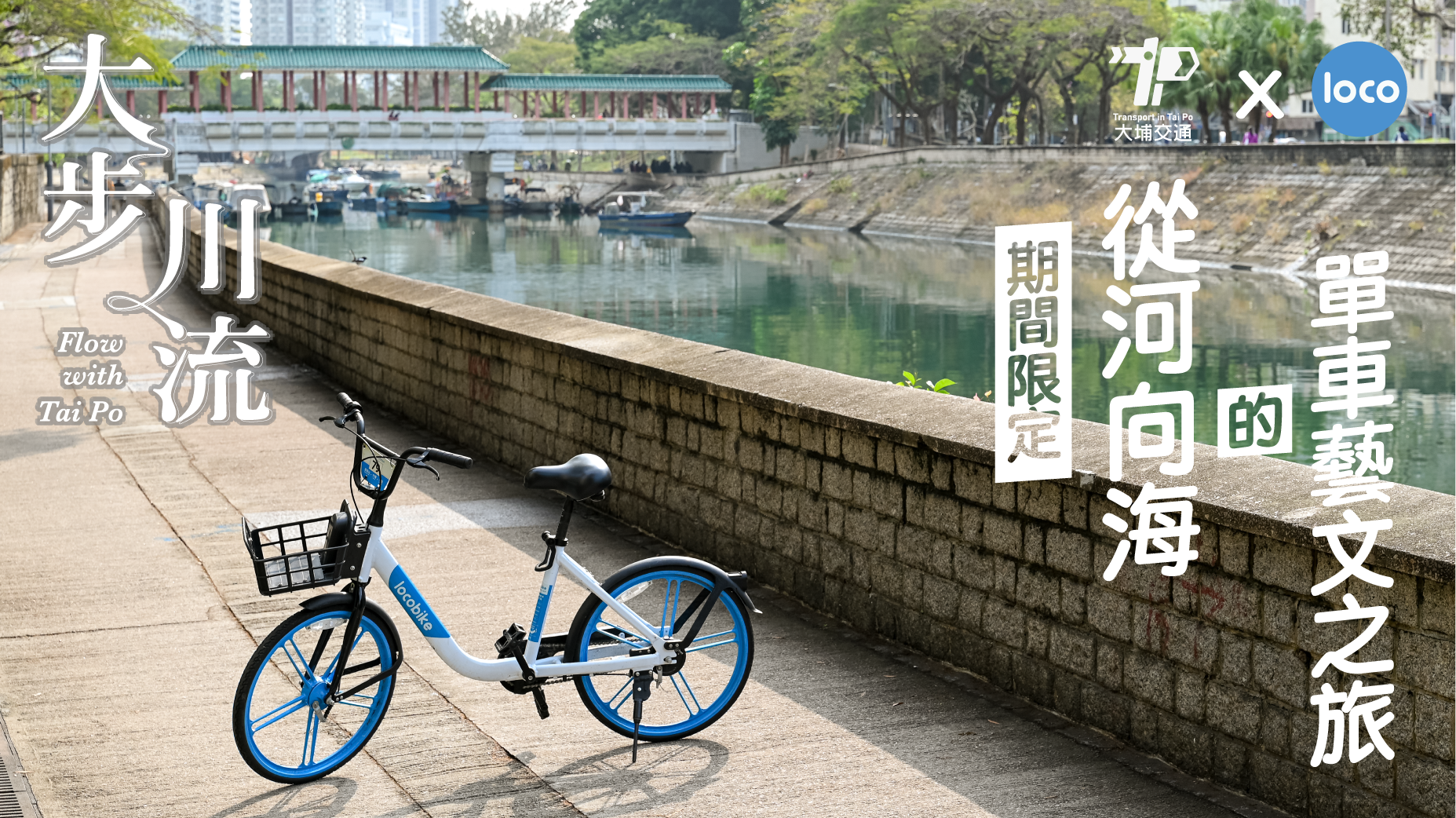
Route | Tai Po Arts Centre > Mui Shue Hang > Lam Tsuen River > the egretry > Wang Fuk Court > Tai Po Waterfront Park
【Setting off from the arts base】
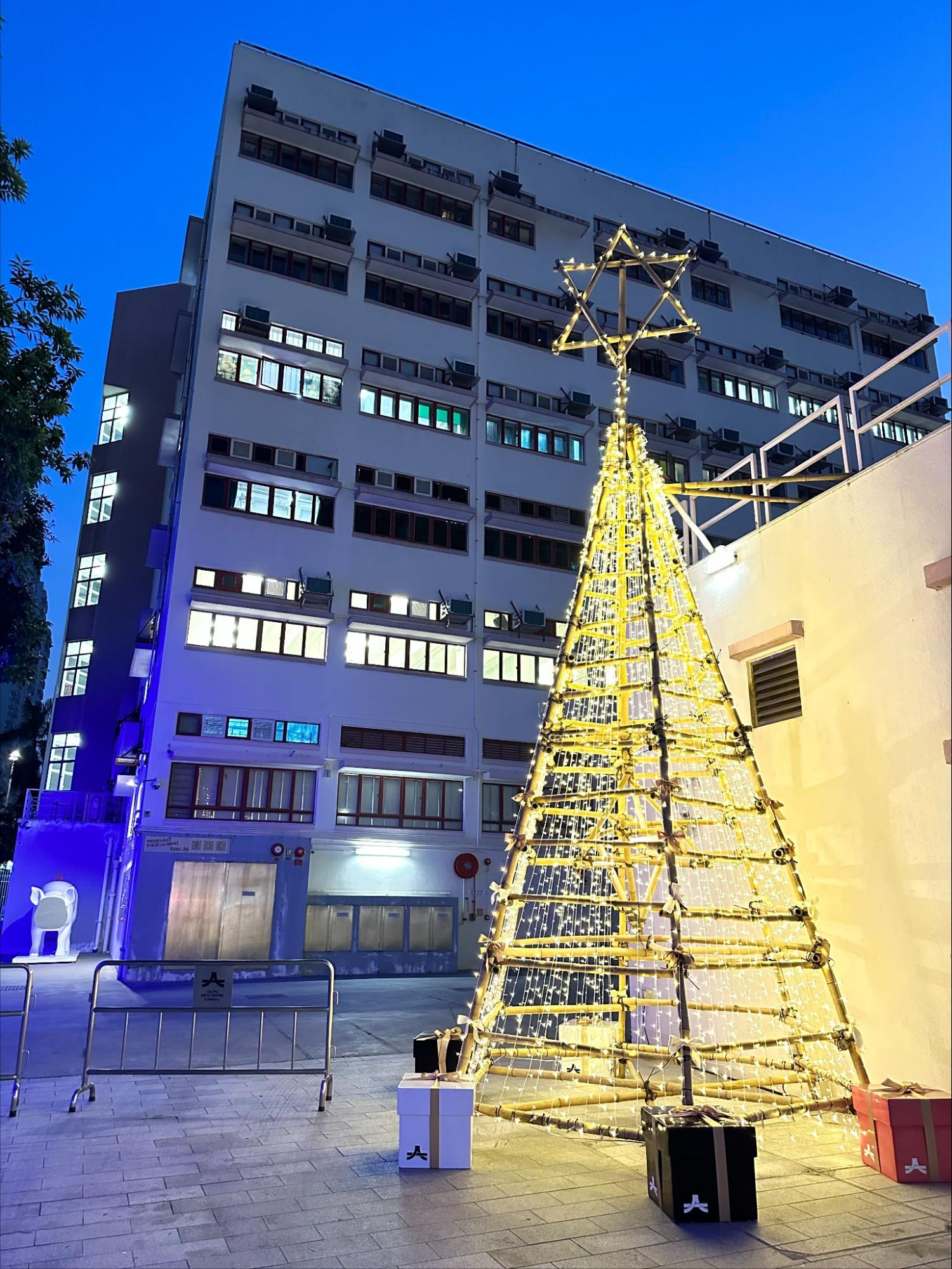
The first stop might as well be Tai Po Arts Centre. It sits in the centre of Tai Po, and may be the most arts-minded place in the district. It used to be Tai Po Government Secondary School. Step inside and you can feel the artistic air of Tai Po's local makers and groups. Cantonese opera, Western music, dance and even spoken drama all gather here, flourishing side by side.
From 10 April to 5 May 2025, works by three of the artists in the programme organised by the Hong Kong Arts Development Council and curated by Art Together are installed here. Chan Ting's Daydreaming Birdwatching House lets you sit inside a little wooden hut and feel Lam Tsuen's sense of time through film. Open Miki Ho's Wander with Old Friends and the memories of six elderly neighbours in the district leap off the page. Ho Yuen-leung's Corals Come Ashore uses large inflatable coral sculptures to put you in a brilliant undersea world.
Once you have taken the works in, it is time to stride out on the bike!
【The quiet on the way upstream】
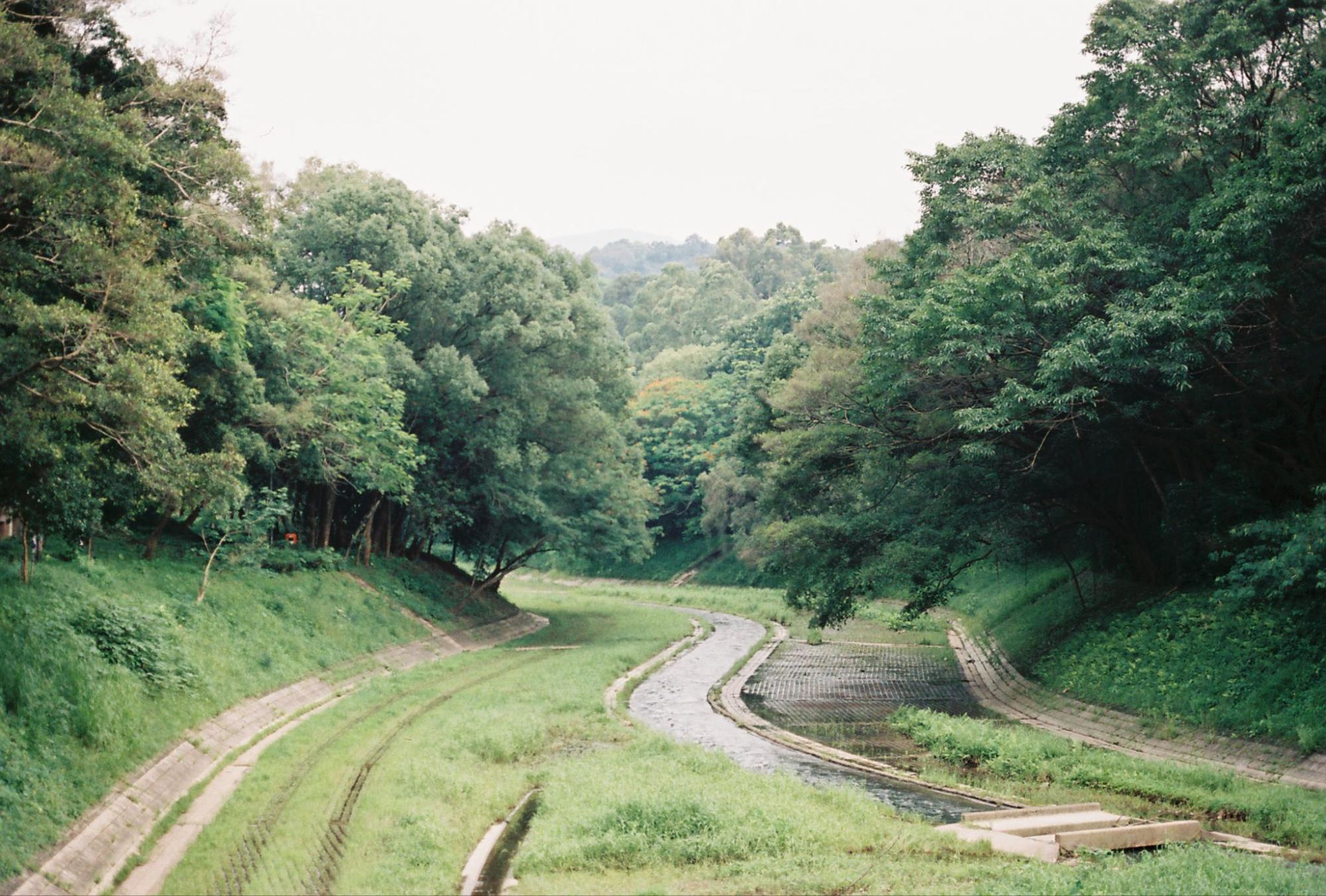
In a moment we are at Mui Shue Hang. In Tai Po, bustle and quiet are only a step apart. Mui Shue Hang Playground hides beside the busy town centre, on the middle and lower reaches of the Lam Tsuen River. From the bridge you can see water from upstream rushing towards you. It is peaceful, but people still come here to think about life. A bike ride from the town centre takes no more than ten minutes. So handy that it is where Tai Po people go for some quiet.
Mui Shue Hang was already here, a village with a long history, before Tai Po was built into a dense new town. When the new town went ahead in the 1980s, some village houses and farmland had to be cleared to channel the Lam Tsuen River. Part of the land was later used for Mui Shue Hang Playground.
Interestingly, Mui Shue Hang Playground still holds a historic building called Sheung Chik Yuen, built in 1934. It is said to have once been a nunnery, but later it was used to store coffins and hold ashes. For reasons that are unclear it then lay abandoned for years, and urban legends grew up around it: ghostly cries from inside, even ghost lights... After the turn of the millennium, Sheung Chik Yuen was restored, and in 2022 it was revitalised as a private columbarium.
【Threading through Tai Po's "lifeline"】
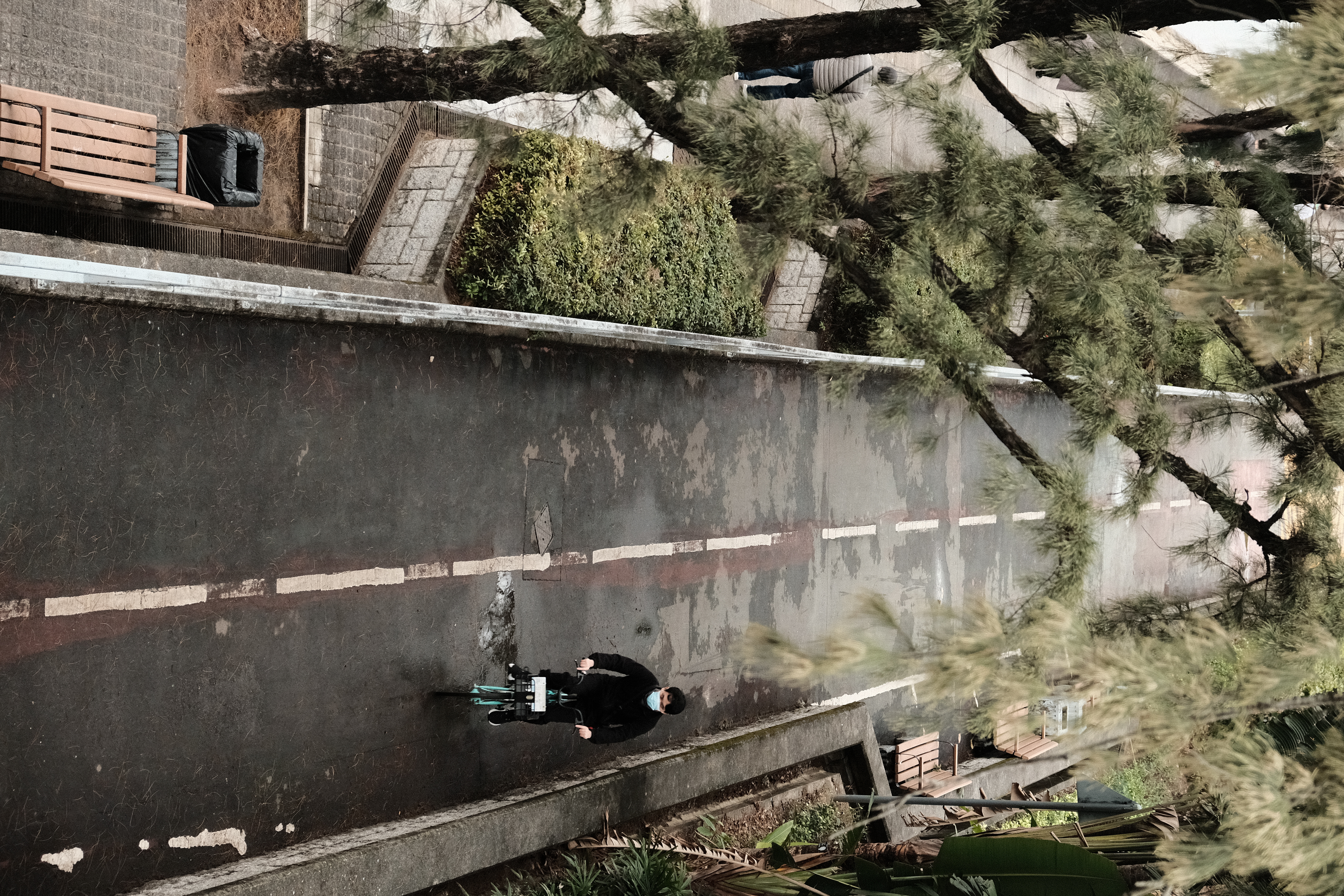
From Mui Shue Hang all the way to the sea, we follow this "lifeline river" of Tai Po, the Lam Tsuen River. It divides the two busiest and most important parts of central Tai Po. South of the river is Tai Po Hui, already there before the new town, a market packed with small shops and full of life. North of the river is the heart of the new town, Tai Po Centre, with malls large and small, public housing estates and private courts. The bridges linking north and south became the neighbours' main way between the two, and they shaped Tai Po's signature, graceful view.
Count downstream from Kam Wo Bridge to Nam Wan Bridge. These six bridges carry people across the Lam Tsuen River all 365 days of the year, and the daily footfall runs into the tens of thousands. The best known, Kwong Fuk Bridge and "Yata Bridge", hold a great deal of shared memory for people in Tai Po.
【A fung shui wood on Kwong Fuk Bridge?】
If you cross Kwong Fuk Bridge between 10 April and 5 May, you may be pleasantly surprised. Some of the columns look different, fitted with dozens of clay slabs. That is the work of the artist Wallace Yiu. By taking rubbings he recorded 8 trees in the fung shui wood of She Shan Tsuen, Tai Po, then brought the trees' texture and grain onto Kwong Fuk Bridge, hoping you will notice that the fung shui wood still quietly watches over the Tai Po community. Do touch the clay slabs and feel the trees. In the middle of town, you meet nature. (And when you touch them, be gentle with the work!)
Back to Kwong Fuk Bridge. Its history is long, reaching back to "Tai Po Hui" and "Tai Wo Hui", later commonly called the old market and the new market. After Tai Wo Hui was founded south of the Lam Tsuen River, the first Kwong Fuk Bridge was built in 1896 so people could cross to the market. The markets on both banks flourished, and the road link through the eastern New Territories was opened up. During the Battle of Hong Kong the British forces did not blow up Kwong Fuk Bridge, so Japanese troops, carts and horses crossed the river directly. After the war the bridge was widened, and it was the only road bridge across the Lam Tsuen River from north to south.
When Tai Po New Town was developed, Po Heung Bridge took over Kwong Fuk Bridge's job of carrying road traffic. Kwong Fuk Bridge was rebuilt and, together with Kam Wo Bridge and Tai Wo Bridge beside it, finished in a Chinese style and given over to people on foot and on bikes. For these past few decades Kwong Fuk Bridge has been a comfortable walk, a safe way between north and south.
Today the government and some local groups are pushing a "Kwong Fuk road bridge", hoping a new road will ease the jams. The works might affect the riverside cycle track and the natural scenery, and whether the congestion would actually clear is still unknown. If you ride past, would you rather Kwong Fuk Bridge stay free of cars?
【Yata Bridge? Plover Cove Bridge? Red Bridge?】
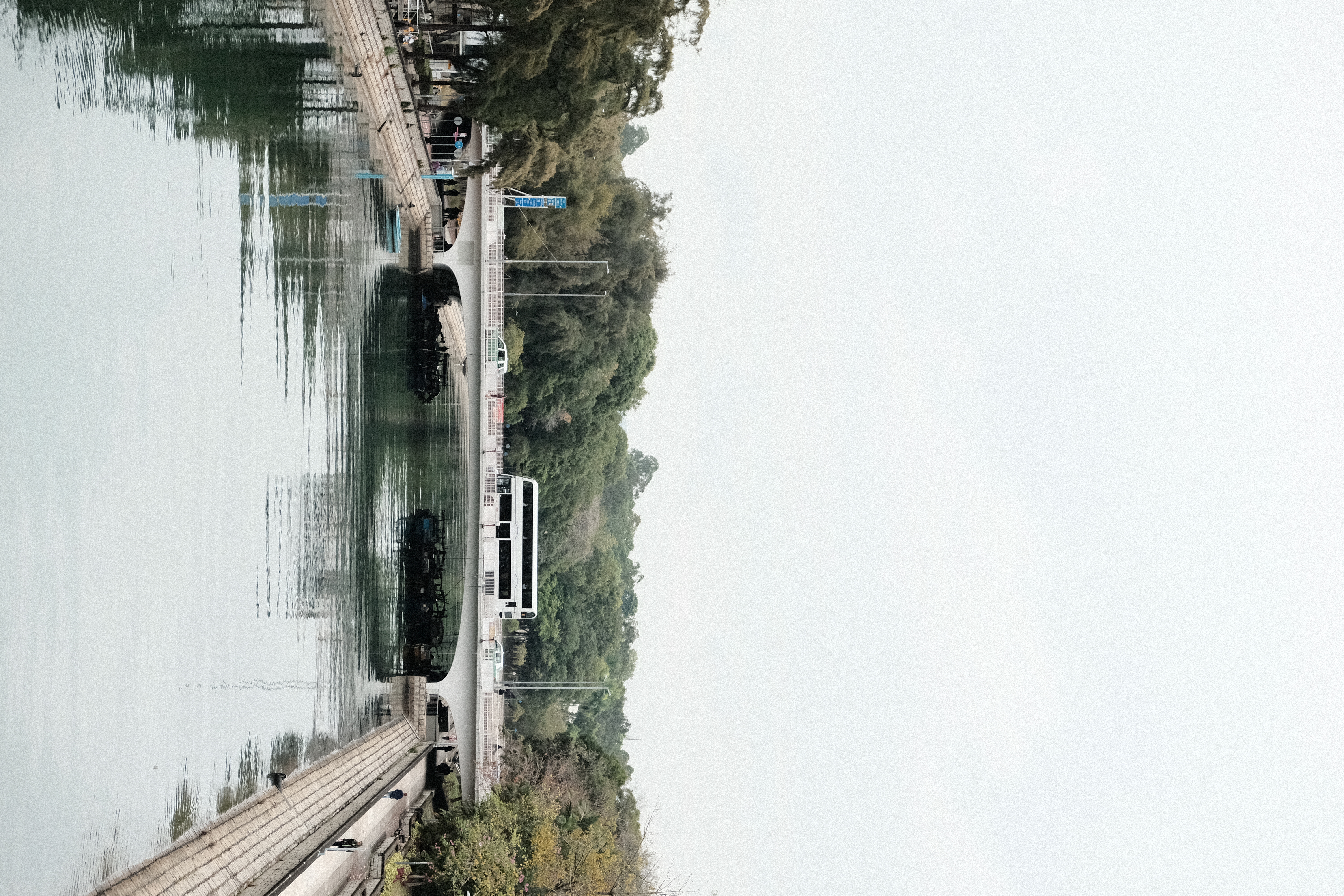
"Yata Bridge" links Tai Po Centre with Plover Cove Garden and the Tai Po Hui area. It took the name because it runs straight to Yata department store in the mall. The bridge has no official name, though. "Yata Bridge" is only what people came to call it. Before the department store moved in there were many more names, such as "Plover Cove Bridge", "Red Bridge" and "the bridge that joins Tai Po Centre and Plover Cove"... If you live around here, what do you call this bridge? If you live somewhere else, does your neighbourhood name places like this?
【The "quilt-drying bridge" beside Kwong Fuk Estate】
One of the bridges between Kwong Fuk Estate and central Tai Po is known locally as the "quilt-drying bridge", because many neighbours dry quilts on the railings. Sometimes they also dry kapok, dried vegetables, dried tangerine peel and even salt fish on the stone embankment by the river. Quite a few older neighbours from Tai Po's different villages "moved upstairs" into the estates after the new town was built, and they still bring village habits with them. Official plans say the spot should not be used for drying things, but Tai Po neighbours have given the bridge a new meaning by the way they use it, and the "quilt-drying bridge" has become a curious bit of local life.
【If Tai Po's bridges disappeared】
Of Hong Kong's 18 districts, Tai Po may be the one closest to its river and its bridges. A magazine once described Tai Po as "Hong Kong's Venice", probably because the river wraps around it and getting from place to place depends on the bridges. Without them, much of Tai Po would be hard to cross, and it would be hard to ride or walk to so many places. Can you picture Tai Po with the bridges gone?
【People and egrets sharing a place: where do we start?】
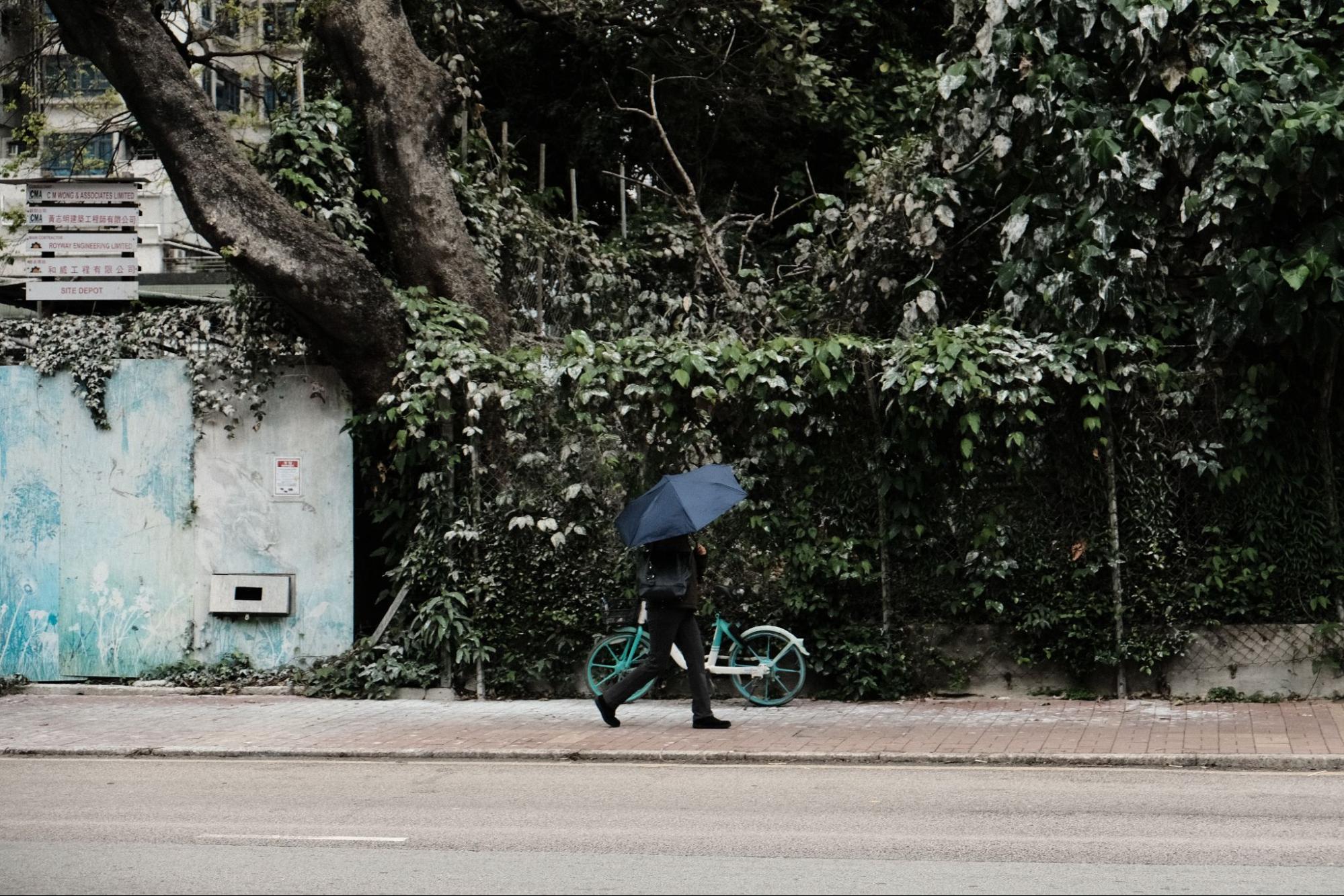
The "egretry" on Kwong Fuk Road near Wan Tau Kok Lane is a sight particular to Tai Po. In the breeding season, roughly March to August each year, more than a hundred egrets gather and nest in the woods beside Yuen Kong Hill. It is one of Tai Po's famous spots, and it draws many photographers. The birds' droppings are a real challenge for nearby residents and students. Passers-by stride along to dodge "hitting the jackpot", and some neighbours and students use umbrellas as "defence".
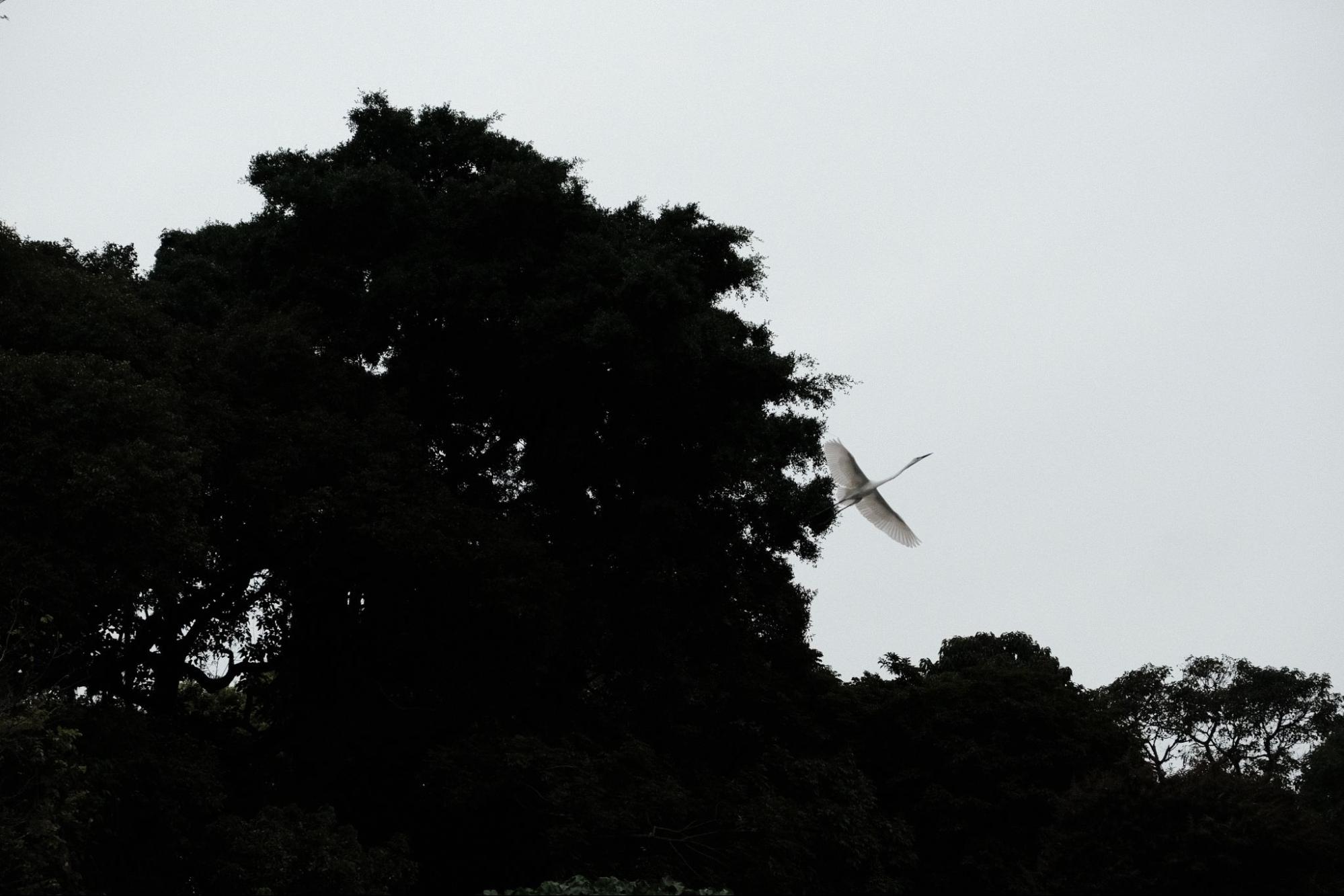
A district councillor once suggested a cover over the pavement. During the early works, though, clearing even a small number of trees killed and injured egrets. Residents pushed back hard, and the plan was put on hold. From another angle, someone started a "community umbrella" scheme, leaving collected second-hand umbrellas on both sides of the egretry for passers-by.
People and egrets are both residents of Tai Po. At the egretry, you can see different ways of living together.
【A pick for the young at heart: Wang Fuk Court Playground】
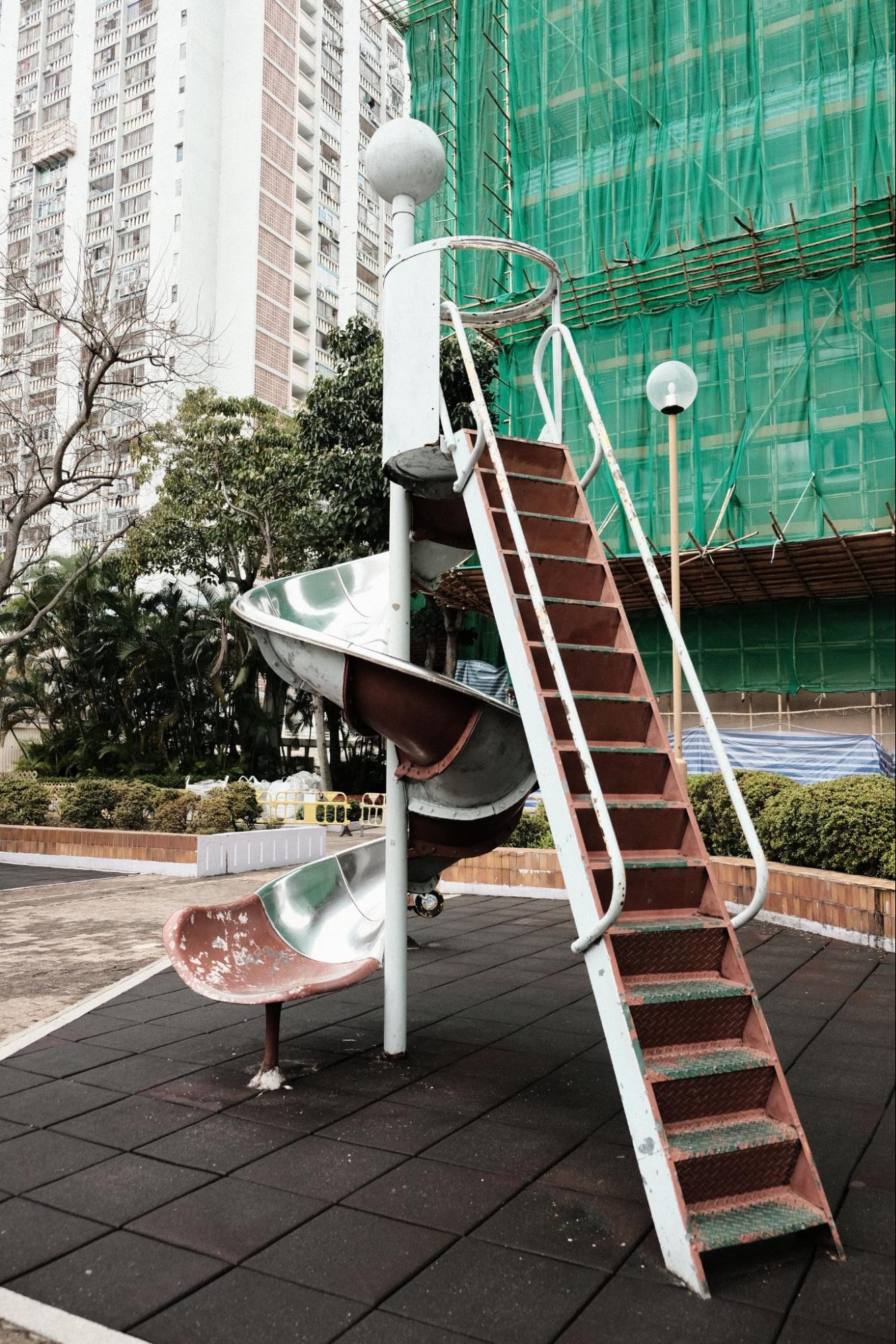
This stop is a favourite our neighbours quietly recommend: Wang Fuk Court Playground. Wang Fuk Court was completed in 1983, an early Home Ownership Scheme court in Tai Po. The court has plenty of play equipment, such as metal slides, climbing frames, swings and spring riders, and after forty years it is still mostly as it was.
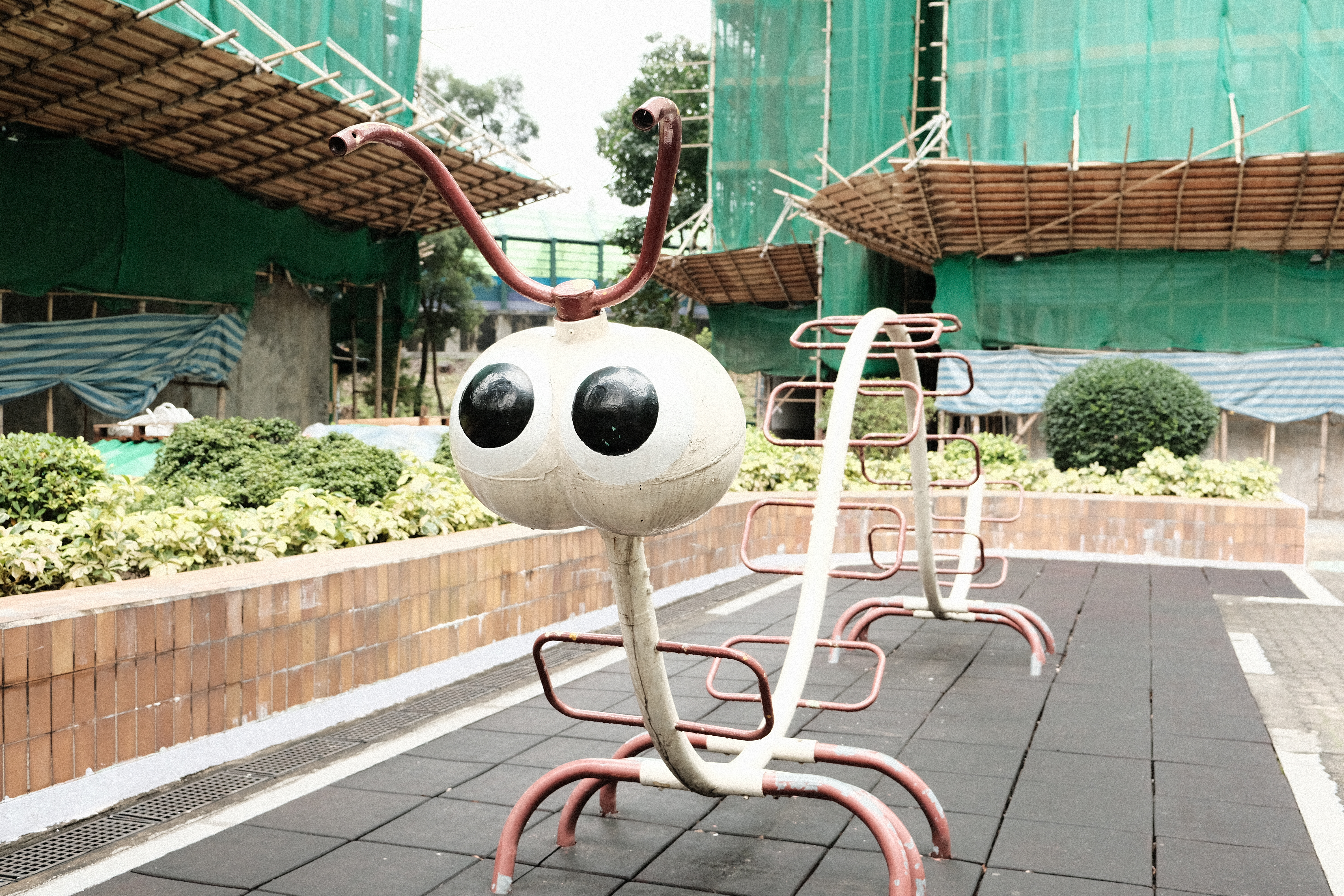
Many playgrounds on other estates have already been swapped for a new generation of plastic equipment. Wang Fuk Court has become rare proof of the classic Hong Kong play kit of an older generation. Quite a few people find these classic pieces more appealing than the new ones, and even make a special trip to Wang Fuk Court to revisit childhood memories.
Tai Po is a community where old and new can sit together. Besides brand-new play equipment, the old classic playgrounds are still here. Each has its place, quietly giving generation after generation of Tai Po people happy memories of play.
【Does the Reunification Monument have anything to do with the Six-Day War of the New Territories?】
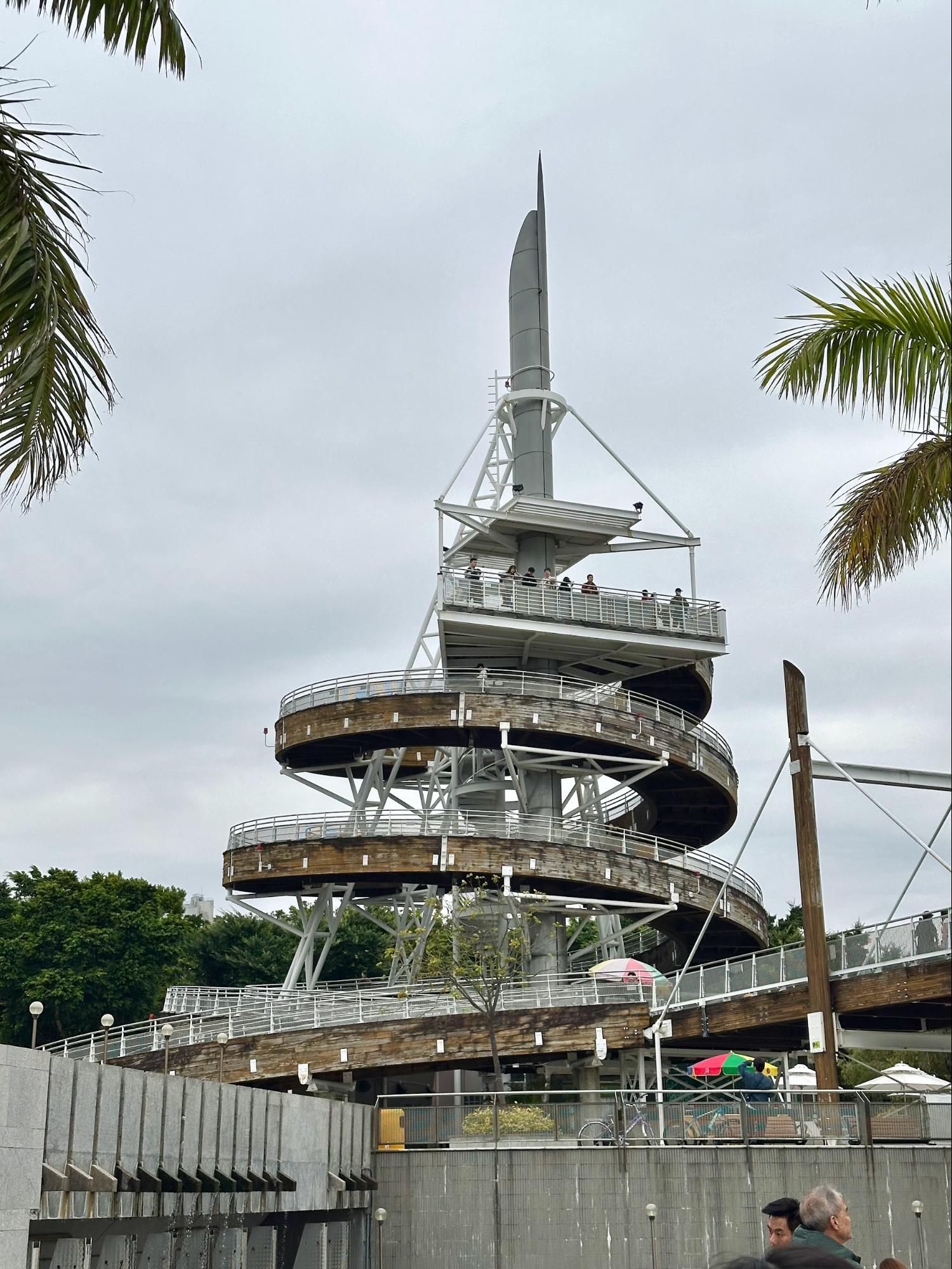
The last stop: Tai Po Waterfront Park! This is the largest park in Hong Kong by area (bigger even than Victoria Park!). It covers about 22 hectares, and it officially opened one week before the handover in 1997. Its best-known feature, the "Hong Kong Reunification Monument", is tied to Tai Po's history. When Britain leased the New Territories, many villagers would not accept it. As the British army landed at Tai Po and held a flag-raising on Yuen Kong Hill, they disrupted the ceremony and even tried to form a militia to attack the police. The British army at once sent a gunboat in reply, and the militia, outmatched, retreated. This became part of the "Six-Day War of the New Territories". Because the landing place is right by what is now Tai Po Waterfront Park, the Reunification Monument was deliberately built here as a statement of national sovereignty.
【Tai Po people's waterfront park】
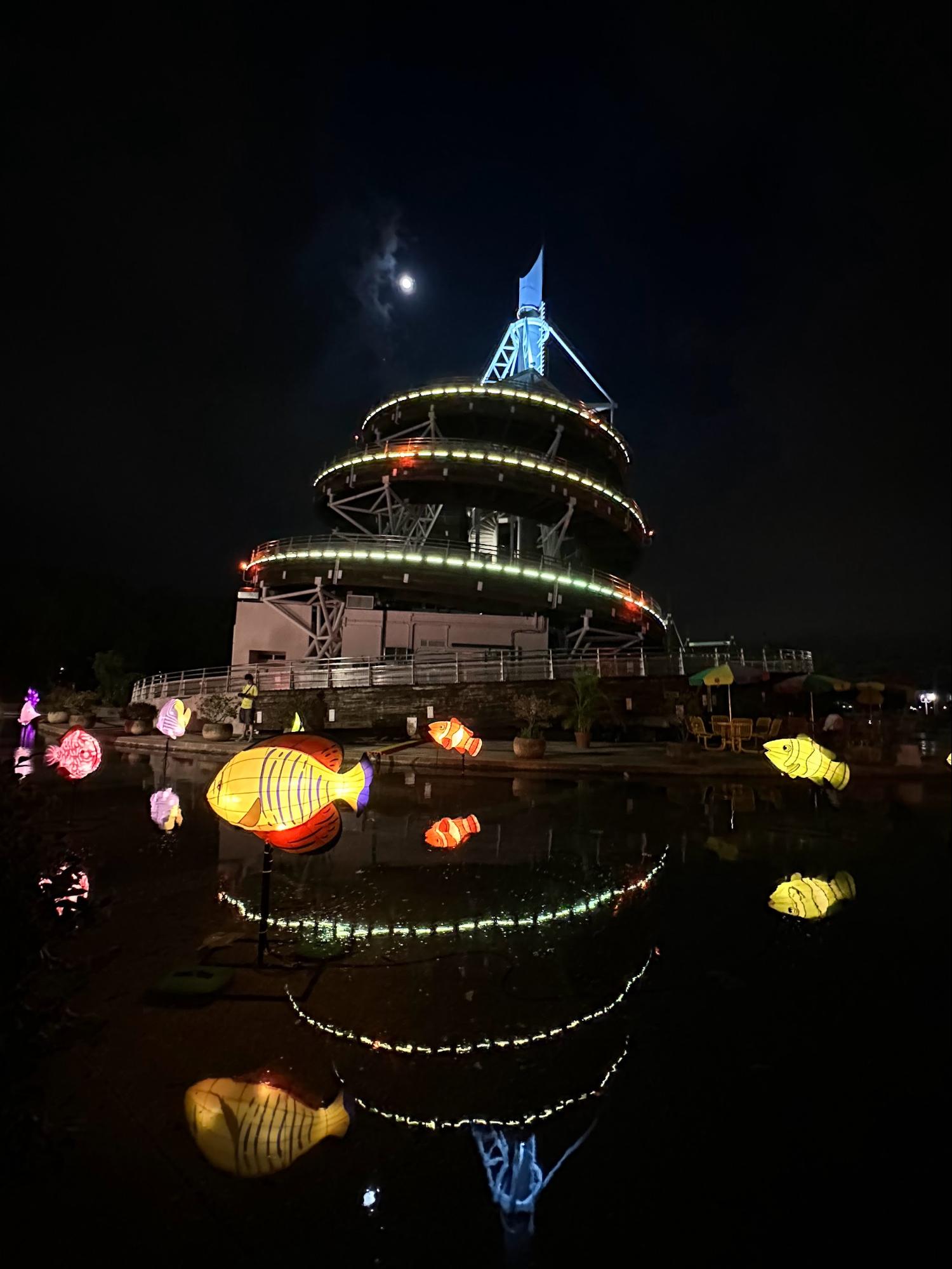
That was the big history. Now for everyday life in Tai Po. Since it opened, Tai Po Waterfront Park has been a favourite of our neighbours, and it is full of memories. The big lawn is for school outings and picnics. From kindergarten through to university, many people in Tai Po like to take their graduation photos here.
With a few close friends, as a couple, or alone and feeling "emo", many people in Tai Po walk in the waterfront park. And every Mid-Autumn Festival, without arranging it, people carry lanterns from the town centre and come here together to watch the moon. It has become something of a custom for us in Tai Po.
After the ride, why not lie on the big lawn and look at the blue sky, or gaze out over the wide Tolo Harbour!